“A perfectly constructed descent into hell, where solving the mystery is the very thing that seals the detective's fate.”
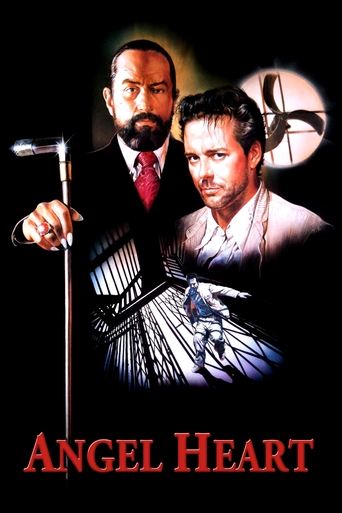
The Ultimate Neo-Noir Trap Angel Heart is a masterclass in psychological horror and neo-noir, a slow-burn descent into hell that plays fair with its audience while constructing a devastating, inescapable trap. On the surface, it follows a familiar template: a down-on-his-luck private investigator hired to track down a missing crooner in the sweat-soaked, decaying underworlds of New Orleans and New York. But beneath the voodoo rituals, oppressive humidity, and rotting atmosphere lies a meticulously plotted narrative about fractured memory, guilt, and a soul checkmated by forces beyond its control. What elevates the film into elite territory is its brilliant structural engineering. Louis Cyphre's name offers an early clue, but the film's real accomplishment lies in how organically it integrates its revelations into Harry Angel's investigation. Every step of Harry's frantic search appears to bring him closer to solving a mystery, when in reality it leads him back toward his own damned past. Unlike cheap twists that cheat the viewer, Angel Heart makes its final revelation feel devastatingly earned, transforming the meaning of the investigation upon reconsideration. Supported by Mickey Rourke's desperate, unraveling performance and Robert De Niro's chillingly charismatic presence, Alan Parker's film is a triumph of atmosphere, narrative construction, and psychological horror. A dark, uncompromising masterpiece in which the investigation doesn't simply uncover the truth. It seals Harry Angel's fate.